The Awareness–Depth Gap: The Hidden Barrier to Aquatic Animal Welfare Implementation
Aquatic animal welfare is gaining attention across the aquaculture sector. Universities are teaching it. Certification schemes are including it. Industry stakeholders are talking about it more than ever before. On the surface, this looks like real progress. But beneath this growing awareness lies a quieter problem—one that may be limiting meaningful welfare improvements in practice.
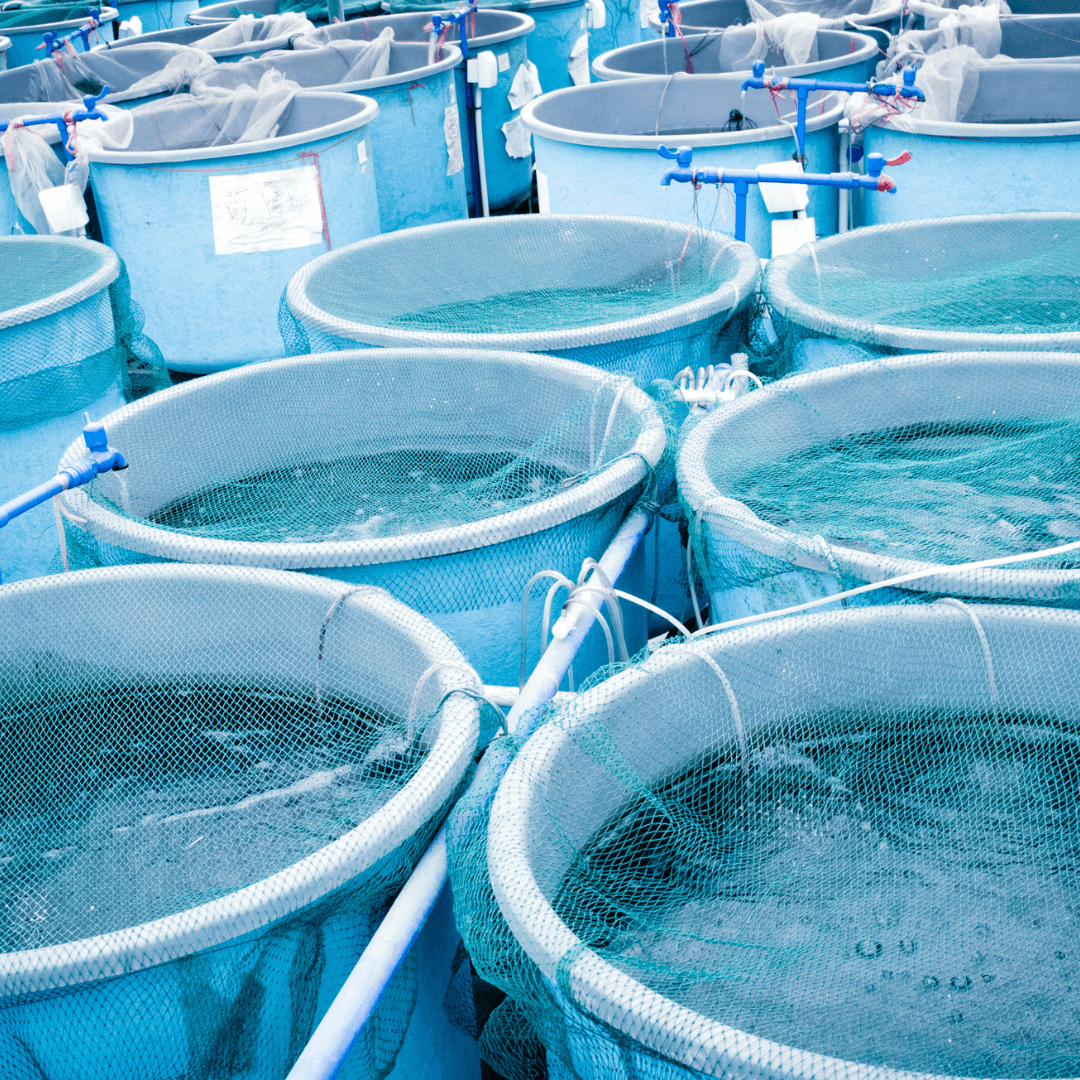
Imagine a newly graduated aquaculture professional starting work on a fish farm. They understand that overstocking can cause stress. They know the definition of stocking density. The farm appears compliant with welfare standards on paper.
But during routine checks, they notice several tanks with unusually high mortality rates.
Is it water quality? Handling stress? Disease? They’re not sure.Although they understand that animal welfare matters, they don’t yet have the practical skills to investigate the problem, identify the root cause, and take corrective action. As a result, welfare risks continue—even with the best intentions.
This is the Awareness–Depth Gap: the difference between knowing that welfare matters and having the practical competence to improve it.
Awareness does not equal capability
Many students, graduates, and professionals in aquaculture are aware that animal welfare matters. They may understand key terms such as stress, humane slaughter, or stocking density and its implications. They may have attended lectures or training sessions where welfare was discussed.
However, awareness alone does not necessarily translate into the ability to apply welfare principles in real-world situations.
A study of undergraduate aquaculture students in Vietnam found that over half (53.8%) had heard of the Five Freedoms of Animal Welfare—a foundational framework defining what animals need to live well. Yet only a small fraction (5.57%) could list all five correctly (Saugh et al., 2026).
In other words, students might recognise welfare as important, but struggle to put it into practice—like assessing welfare on a farm, spotting welfare risks, or making decisions that actually improve animal wellbeing.
Why this Gap exists
Aquatic animal welfare is complex. It draws on physiology, behaviour, veterinary science, husbandry, ethics, and systems thinking. Yet in many aquaculture programs, welfare is only briefly touched on rather than taught as a hands-on skill.
Students often learn the theory but miss out on practical experience. As a result, they’re aware of welfare principles but not confident in using them. For example, although most students reported being satisfied with teaching and resources, only 17.6% felt confident discussing welfare topics (Saugh et al., 2026).
This gap is more than just missing knowledge—it’s about not knowing what skills you still need to learn.
Why it matters
Aquaculture is one of the fastest-growing food sectors in the world. With growth comes responsibility.
If professionals enter the workforce without enough depth in welfare knowledge, several problems can arise:
• Welfare risks may go unnoticed. While 70.6% of aquaculture stakeholders felt graduates could identify welfare issues, only 41.2% could explain why (Saugh et al., 2026).
• Decisions may prioritise efficiency over animal wellbeing. Among educators, only 19.2% reported that welfare was already in the curriculum, with nearly half planning but not yet implementing it (Saugh et al., 2026).
• Welfare protocols may exist on paper but not in practice.
• Organisations may think they are doing enough when gaps remain.
In these situations, the limiting factor is not intention—but capability.
A system-level challenge
The Awareness–Depth Gap is not simply an educational issue, it affects the whole aquaculture ecosystem. Industry organisations depend on staff who can make informed decisions. Certification schemes rely on real-world implementation, not just theory. Research can advance welfare science, but it only improves practice when professionals are trained to apply it.
Moving beyond awareness toward competence
Closing this gap requires a shift in how we teach and train in aquaculture:
Make welfare a core, applied part of aquaculture education.
Give students practical frameworks for assessing welfare.
Build applied skills alongside theory.
Connect veterinary science, husbandry, and real-world operations.
Support ongoing professional development in industry.
When professionals have both awareness and practical skills, they can make decisions that protect animal welfare while supporting sustainable production.

Opportunities for the future
The aquaculture sector is at an exciting point. Expectations around welfare are growing, and the question is no longer if welfare matters—it’s whether the workforce is ready to implement it. Addressing the Awareness–Depth Gap is a chance to strengthen the foundation for lasting improvements. Education isn’t just about transferring knowledge—it’s about developing real-world capability.
The study in Vietnam shows promise: most students recognised that learning about aquatic animal welfare could boost their career prospects, and educators suggested more dedicated content and internships (Saugh et al., 2026). High perception scores from students (87.8%), stakeholders (94.1%), and educators (80.9%) indicate that the value of welfare is widely acknowledged—even where curricula are limited.
Similar trends are appearing in other aquaculture nations, where hands-on education is helping people put animal welfare into practice, reflecting a global movement to improve care and wellbeing for aquatic animals.
If your organisation, farm, or institution is looking to strengthen aquatic animal welfare through training, curriculum development, or veterinary support, we provide specialised expertise to help bridge the gap between awareness and implementation.
Contact us to learn how we can support your team.
Written by Sasha Saugh
Aquatic Veterinarian | Founder, Aquaglobal Veterinary Consulting